Foundation Weeks (1-3)
Color theory, plate selection, portion control, and basic composition rules. Sounds dry, but these fundamentals determine everything that follows.

Learn practical plating techniques from working chefs who've spent years in Montreal's competitive restaurant scene. Our program focuses on real skills you can apply immediately—whether you're prepping for a career shift or refining your existing craft.
Reserve Your Spot for Fall 2025We're not here to teach trends that'll be gone in six months. Everything in our program is built around principles that work across different cuisines and service styles.
Beautiful plating starts with understanding balance, height, and negative space. Once you know why certain compositions work, you can adapt them to any dish.
Last session, one student transformed their signature risotto by simply adjusting the bowl choice and portion placement—same recipe, completely different impact.
A stunning plate means nothing if it takes fifteen minutes during service. We drill efficiency into every technique so you can maintain quality when things get busy.
Our Thursday evening sessions simulate real dinner rush conditions—you'll plate the same dish thirty times in two hours until it becomes second nature.
Nobody improves without constructive criticism. In our kitchen, everyone—including instructors—receives direct feedback on what works and what doesn't.
Group critique sessions happen every Friday. You'll present your week's work, defend your choices, and learn from peers' perspectives.
Ingredients aren't always perfect. Plates break. Kitchens run out of garnishes. We teach you how to pivot and still deliver presentation quality.
One module specifically covers substitution strategies—how to maintain your visual concept when you're missing key components.
We run twelve weeks starting September 2025, with sessions three evenings per week. Each phase builds on previous skills while introducing new complexity.
Color theory, plate selection, portion control, and basic composition rules. Sounds dry, but these fundamentals determine everything that follows.
Sauce work, garnish preparation, height creation, and textural contrast. This is where most people realize plating is more physics than art.
Speed drills, station organization, and consistency training. We simulate actual restaurant conditions including the stress and time pressure.
You'll create five signature dishes with complete plating documentation. Many graduates use these directly in job applications or menu development.
These aren't theoretical concepts—they're observations from years of actual service in Montreal restaurants where presentation directly affected customer response.
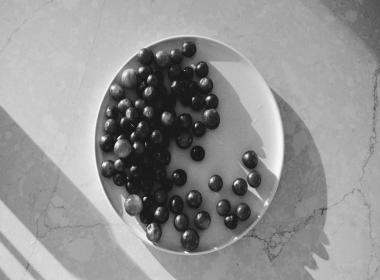
After photographing over 2,000 dishes for menu development, I've noticed a pattern. The plates that get the strongest customer reaction use fewer elements, not more. Microgreens piled randomly or edible flowers scattered without purpose create visual noise instead of interest.
In our January 2025 workshop, we tested this directly—the same duck breast with strategic minimal garnish outperformed the elaborately decorated version in blind preference tests by a significant margin.
Both instructors work active restaurant positions alongside teaching. What you learn reflects current industry practice, not outdated textbook techniques.

Contemporary Plating & Composition
Spent eight years as sous chef at three different Montreal establishments before moving into teaching. Still consults on menu development for two local bistros.
His practical approach comes from plating thousands of dishes under real service pressure—he knows what actually works when you're in the weeds.

Classical Technique & Standards
Trained in European kitchens before settling in Montreal in 2018. Currently runs weekend service at a fine dining spot in Old Montreal while teaching weeknight sessions here.
His strength is breaking down complex classical techniques into manageable steps that students can actually replicate without years of experience.